
Finnish Oversight Shapes Coordination Between Instructional Resources on Dealer Protocols and Transaction Sequencing in Portable Reel Environments
Finland's gambling framework relies on centralized oversight that aligns instructional materials covering dealer protocols with the precise ordering of transactions in mobile slot systems, and this integration supports consistent player experiences across portable reel platforms. Authorities monitor how guides explain live dealer procedures while ensuring those same frameworks connect to the step-by-step sequencing required for deposits, spins, and withdrawals on handheld devices. Data from national monitoring bodies shows that such alignment reduces mismatches between educational content and actual transaction flows during peak usage periods.
Regulatory Structure Guiding Instructional Content
Finnish authorities maintain strict requirements for how operators develop and distribute resources that describe dealer protocols in live environments, and these rules extend directly to the mobile reel sector where transaction sequencing must follow predetermined patterns. The coordination process involves review cycles where materials on dealer actions undergo checks against standards for payment ordering, bonus activation, and result verification on smartphones and tablets. Observers note that this approach stems from legislation updated in prior years, which places responsibility on license holders to demonstrate clear links between protocol instructions and sequence controls before platforms launch new features.
Training modules for staff and player guides alike receive evaluation based on their ability to reflect accurate dealer conduct while mapping those steps onto mobile transaction timelines, and compliance reports submitted quarterly track any deviations. Research from European monitoring groups indicates that countries with similar centralized models achieve tighter synchronization when instructional updates coincide with changes in sequencing software, a practice Finnish regulators have adopted through scheduled audits that occur at least twice annually.
Linking Dealer Protocols to Mobile Transaction Flows
Instructional resources must detail dealer verification steps such as card shuffling confirmation and outcome announcement, yet Finnish oversight requires these descriptions to connect explicitly with the order of events in portable reel games where players initiate spins, confirm stakes, and receive automated results. Developers incorporate flowcharts and timed sequences into guides so users understand that a dealer protocol pause in live tables mirrors the mandatory confirmation window before a reel spin processes on mobile. This linkage ensures players encounter consistent pacing whether engaging with human dealers or automated reel mechanics.
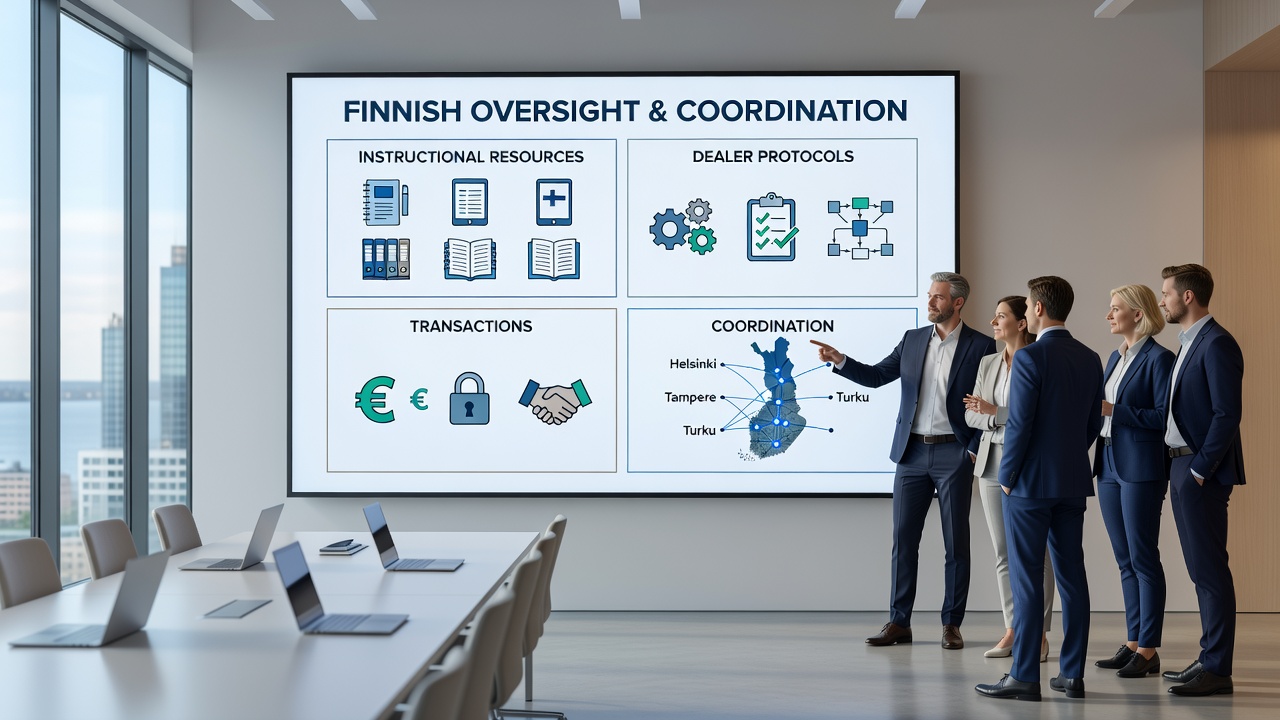
Operators submit mapping documents that pair each dealer protocol element with corresponding transaction stages, and regulators assess whether the sequencing prevents out-of-order actions such as premature withdrawals during active reel rounds. Figures from industry reports reveal that platforms adhering to these mappings experience fewer session interruptions, particularly when updates to dealer instructions occur alongside software patches for mobile transaction queues. Coordination extends to language used in resources, requiring neutral terminology that avoids implying flexibility in either dealer conduct or reel sequencing rules.
Implementation Across Portable Platforms
Portable reel environments demand that transaction sequencing accommodates variable network conditions while preserving the integrity of dealer protocol standards referenced in educational content, and Finnish oversight evaluates this through live testing of mobile applications. Developers integrate timing parameters that replicate dealer pace into reel interfaces, allowing resources to reference real-world examples such as delayed result displays matching live table pauses. Compliance teams review these integrations during pre-launch assessments, confirming that guides instruct users on expected sequences without introducing variability that could conflict with regulatory sequencing mandates.
Updates scheduled for November 2026 will require additional documentation showing how instructional revisions on dealer protocols incorporate feedback from mobile transaction logs, and early drafts indicate emphasis on cross-referencing payout verification steps with live dealer confirmation procedures. Industry organizations across the EU adn research institutions in Canada have published comparative analyses that highlight similar coordination benefits when regulators enforce parallel timelines for content updates and system sequencing adjustments.
Monitoring and Adjustment Mechanisms
Continuous oversight involves analysis of player interaction data alongside content usage statistics, enabling authorities to identify where dealer protocol instructions diverge from actual transaction sequencing in portable reel settings. When discrepancies appear, operators receive directives to revise materials or adjust mobile flows within defined periods, and joint working groups comprising regulators, operators, and technical experts convene to finalize corrections. Evidence from ongoing reports demonstrates that such mechanisms maintain alignment even as new reel features or dealer variations emerge in the market.
External evaluations conducted by academic bodies in Australia further support the value of integrated oversight, noting reduced compliance incidents when instructional resources and transaction systems receive simultaneous regulatory scrutiny rather than separate reviews. Finnish processes incorporate these insights through periodic benchmarking exercises that compare national outcomes against international datasets without altering core legislative requirements.
Conclusion
Finnish oversight establishes structured pathways that bind instructional resources on dealer protocols to transaction sequencing requirements in portable reel environments, producing coordinated systems that operators must uphold through documented processes and regular audits. This framework continues to evolve with scheduled refinements ahead of November 2026, maintaining focus on precise mapping between educational content and mobile transaction order to support consistent platform performance.