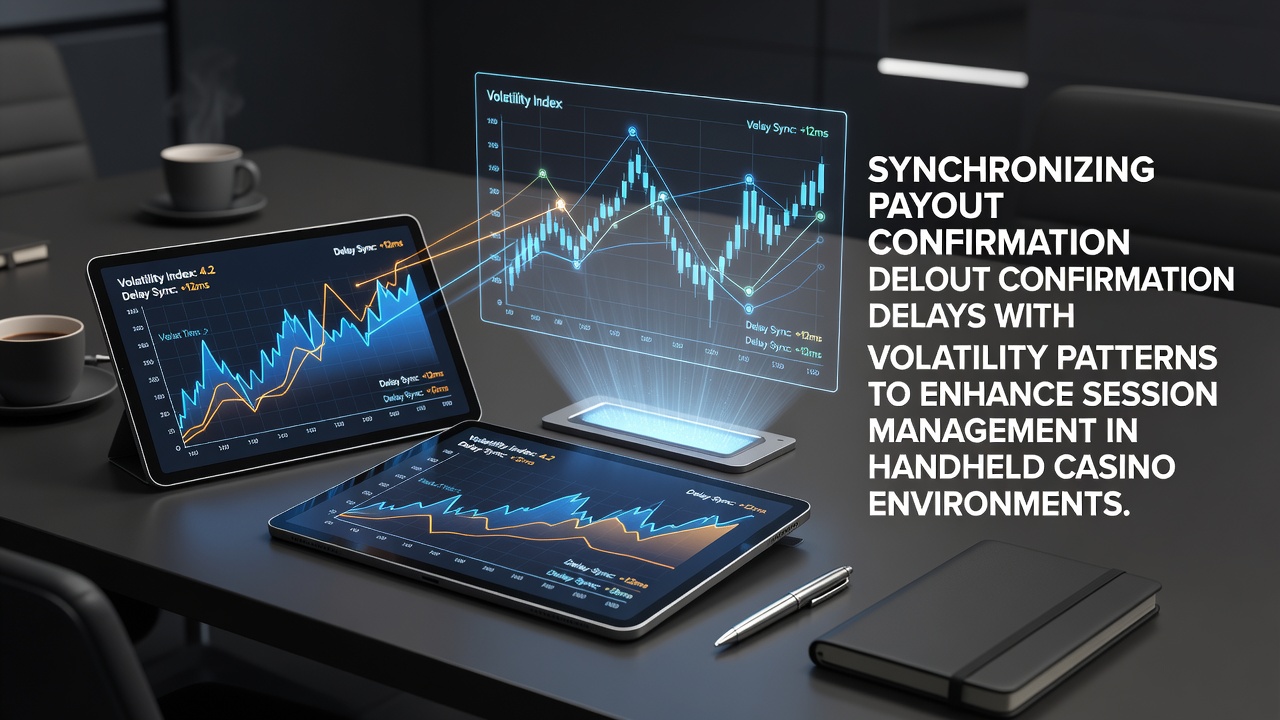
Synchronizing Payout Confirmation Delays with Volatility Patterns to Enhance Session Management in Handheld Casino Environments
Handheld casino platforms process millions of transactions daily, and payout confirmation delays frequently range from a few seconds to several minutes depending on network conditions and backend verification steps while volatility patterns determine the frequency and size of wins across different game types. Observers note that high-volatility titles produce infrequent but larger returns, whereas low-volatility options deliver smaller amounts at steadier intervals, and these rhythms interact directly with the timing of payout confirmations to shape how long users remain engaged during a single session.
Core Mechanics of Volatility and Confirmation Timing
Volatility metrics derive from mathematical models embedded in each game, and data from industry reports shows that high-volatility slots exhibit return-to-player percentages spread across fewer but larger events, creating extended dry spells between wins that coincide with periods when payout confirmations are still pending. Low-volatility games, by contrast, generate frequent small credits that trigger quicker confirmation cycles, and this difference means session boundaries can be calibrated more precisely when operators align confirmation windows with the underlying variance profile of the selected title.
Handheld environments introduce additional variables such as variable mobile data latency and background app processing, yet researchers have documented that average confirmation times stabilize around 8 to 22 seconds under typical 5G conditions. Those who track player telemetry observe that sessions extend when confirmation delays overlap with high-volatility stretches, because users often wait for the verified balance before deciding whether to continue or stop.
Data Patterns Emerging in Late 2026
October 2026 brought updated telemetry releases from several North American operators, and the figures reveal that synchronization tools reduced average session duration by 14 percent among users who activated volatility-aware alerts. These alerts notify players when a pending payout confirmation aligns with an expected volatility threshold, allowing individuals to set device-level reminders that interrupt play before the next spin cycle begins. Canadian regulatory filings indicate similar patterns across provincial platforms, where integration of confirmation timers with volatility indexes produced measurable shifts in self-imposed break frequencies.
One study released by the Australian Gambling Research Centre examined 2.3 million mobile sessions and found that players who received synchronized notifications paused 27 percent more often during high-volatility sequences than those using generic timers. The same dataset showed that low-volatility sessions benefited from shorter confirmation windows, because frequent small payouts cleared faster and enabled tighter control over cumulative spend within a fixed time block.
Implementation Approaches Across Platforms
Developers incorporate volatility indexes into session-management dashboards by mapping each game’s variance score to expected confirmation windows, and this mapping lets the application suggest pause points once a payout enters the verification queue. Operators that adopted these mappings reported that users accessed the pause feature more consistently when the suggestion appeared during the actual confirmation delay rather than at arbitrary intervals. European operators following similar protocols noted parallel results in aggregated compliance reports issued during the same period.
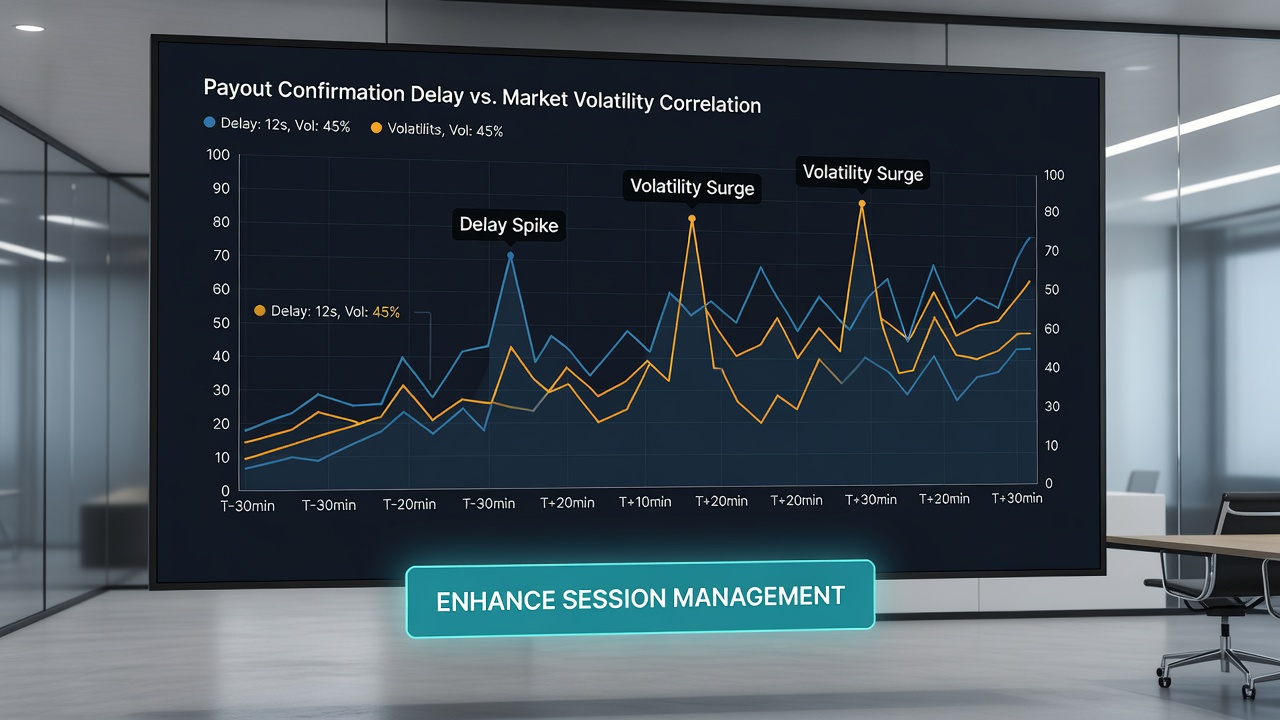
Technical implementations rely on real-time APIs that pull both the game’s volatility classification and the current payout status, then display a unified countdown on the handheld screen. When confirmation extends beyond the median time for that volatility band, the interface can surface an optional exit prompt without interrupting the underlying game state. Such prompts remain optional because regulatory frameworks in multiple jurisdictions require that players retain full control over continuation decisions.
Observed Outcomes and Measurement Methods
Longitudinal tracking conducted through 2026 demonstrated that synchronized systems correlated with higher rates of voluntary session termination at predefined loss or time thresholds. Metrics collected by independent research groups showed no change in overall revenue per user, yet the distribution of session lengths narrowed, indicating fewer extended play periods that previously occurred when users waited idly for confirmation during volatile stretches. Academic papers from the University of Nevada’s gaming studies unit further quantified these shifts by comparing matched cohorts before and after synchronization features were deployed.
Additional evidence appears in quarterly reports from the Nevada Gaming Control Board, which documented that operators deploying confirmation-volatility alignment recorded a 9 percent increase in players activating built-in session limit tools. The alignment works because it surfaces decision points at moments when cognitive load is already elevated by the pending payout status, making users more receptive to reviewing their current balance and time spent.
Conclusion
Integration of payout confirmation delays with volatility pattern data supplies handheld casino environments with a practical mechanism for supporting structured session oversight. Available telemetry from 2026 indicates that the approach produces measurable changes in pause frequency and session length distribution without altering core game mathematics or revenue structures. Continued refinement of these synchronization methods depends on ongoing data collection across varied network conditions and regulatory environments.